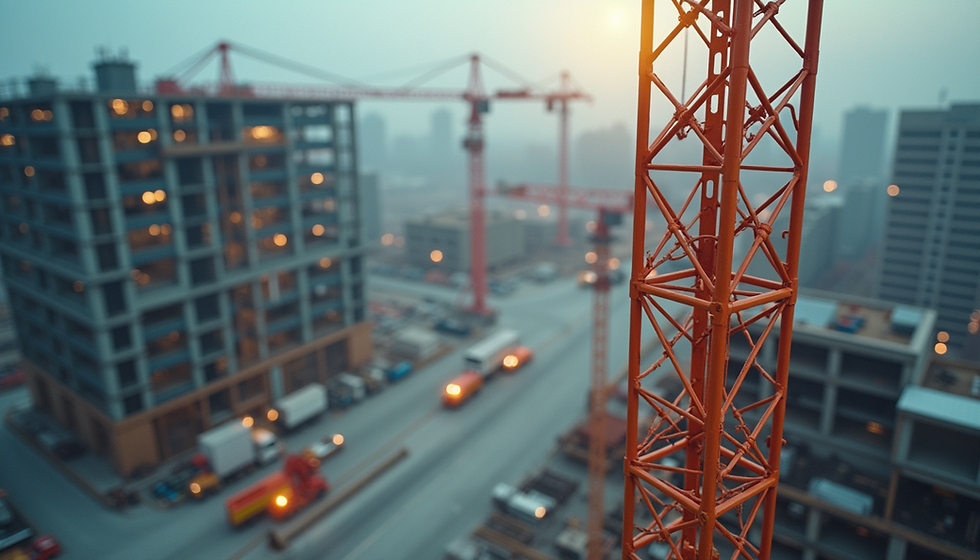
Strategizing Wildfire Rebuild Projects
Updated: Sep 9
Wildfires pose a significant threat to commercial and industrial properties across the Western U.S. As project managers overseeing multisite program rollouts, the challenge lies in developing effective wildfire recovery strategies that minimize downtime and ensure safety. I have seen firsthand how a well-planned approach can accelerate recovery and protect investments. This post outlines practical steps and considerations to guide your wildfire recovery efforts.
Understanding Wildfire Recovery Strategies
Wildfire recovery strategies require a clear, methodical approach. The first step is assessing the damage comprehensively. This involves:
Conducting detailed site inspections to identify structural damage and environmental hazards.
Engaging with insurance adjusters early to document losses and expedite claims.
Prioritizing safety by checking for compromised utilities, hazardous materials, and unstable structures.
Once the assessment is complete, develop a phased recovery plan. This plan should include:
Immediate stabilization - securing the site to prevent further damage or injury.
Debris removal - clearing burned materials safely and efficiently.
Environmental remediation - addressing soil erosion, water contamination, and air quality issues.
Reconstruction planning - designing rebuilds that incorporate fire-resistant materials and modern safety standards.
Effective wildfire recovery strategies also emphasize communication. Keep stakeholders informed with regular updates. Coordinate with local authorities and environmental agencies to ensure compliance with regulations.

Key Components of a Successful Wildfire Recovery Strategy
To execute wildfire recovery strategies successfully, focus on these components:
Risk Assessment and Mitigation: Identify vulnerabilities in your facilities before rebuilding. Use fire-resistant materials such as metal roofing, tempered glass, and non-combustible siding. Incorporate defensible space around buildings by clearing flammable vegetation.
Resource Allocation: Allocate budget and manpower efficiently. Prioritize critical infrastructure to resume operations quickly. Consider modular construction techniques to speed up rebuilds.
Regulatory Compliance: Understand local building codes and wildfire mitigation requirements. Engage with permitting agencies early to avoid delays.
Technology Integration: Use drones and remote sensing for damage assessment and progress monitoring. Implement project management software to track timelines and budgets.
Sustainability and Resilience: Design rebuilds to withstand future wildfires. Incorporate fire-resistant landscaping and install advanced fire detection systems.
These components form the backbone of a resilient recovery plan that balances speed, safety, and cost-effectiveness.

How long after a wildfire can you rebuild?
Timing is critical in wildfire recovery. The question of how long after a wildfire you can rebuild depends on several factors:
Safety Clearance: Authorities must declare the site safe for construction. This includes checking for hazardous debris, unstable structures, and environmental contamination.
Permitting and Approvals: Obtaining necessary permits can take weeks to months, depending on the extent of damage and local regulations.
Insurance Processing: Insurance claims must be settled to secure funding for rebuilds. Delays in claims processing can stall projects.
Environmental Conditions: Weather and soil stability affect when construction can safely begin. For example, rebuilding during rainy seasons may increase erosion risks.
On average, rebuilding can start anywhere from 3 to 6 months after a wildfire, but this varies widely. Planning for contingencies and maintaining flexibility in your schedule is essential.

Practical Steps to Implement Wildfire Recovery Strategies
Implementing wildfire recovery strategies requires a structured approach:
Establish a Recovery Team: Assemble experts in construction, environmental science, insurance, and project management.
Develop a Detailed Project Plan: Outline timelines, milestones, and resource needs. Include risk management protocols.
Engage Stakeholders: Communicate with property owners, insurers, local officials, and contractors regularly.
Secure Funding: Confirm insurance payouts and explore grants or loans for disaster recovery.
Select Qualified Contractors: Choose contractors experienced in wildfire rebuild projects and familiar with local codes.
Monitor Progress Closely: Use project management tools to track work and address issues promptly.
Incorporate Lessons Learned: After completion, review the process to improve future wildfire recovery strategies.
By following these steps, you can streamline recovery and reduce the impact on business operations.
Enhancing Resilience for Future Wildfire Events
Rebuilding after a wildfire is an opportunity to enhance resilience. Consider these measures:
Fire-Resistant Design: Use non-combustible materials and design features that limit fire spread.
Defensible Space: Maintain clear zones around buildings free of flammable vegetation.
Advanced Detection Systems: Install smoke and heat sensors linked to emergency response systems.
Community Collaboration: Work with neighboring properties and local agencies to develop coordinated wildfire response plans.
Regular Maintenance: Schedule inspections and upkeep to ensure fire mitigation measures remain effective.
Investing in resilience reduces future risks and protects your assets.
Moving Forward with Confidence
Wildfire recovery demands precision, speed, and strategic foresight. By applying these wildfire recovery strategies, you can lead your projects to successful completion while safeguarding your investments. Remember, a well-executed wildfire rebuild is not just about restoring what was lost but building stronger, safer facilities for the future.
Steady Solutions is committed to supporting complex commercial projects across the Western U.S. with integrity and efficiency. Use these insights to guide your wildfire recovery efforts and position your organization for long-term success.